Cold Wallet vs Hot Wallet: Which One Actually Keeps Your Crypto Safer?
A cold wallet stores your private keys offline, away from any internet connection, while a hot wallet keeps them on a connected device like your phone or a browser extension. The real question isn’t which one wins outright. It’s which one matches how you actually use crypto.
Get that match wrong and you either expose funds to unnecessary risk or make your own daily trading painfully slow. Here’s how to tell the two apart and pick the right one for your situation.
What Actually Separates a Cold Wallet From a Hot Wallet
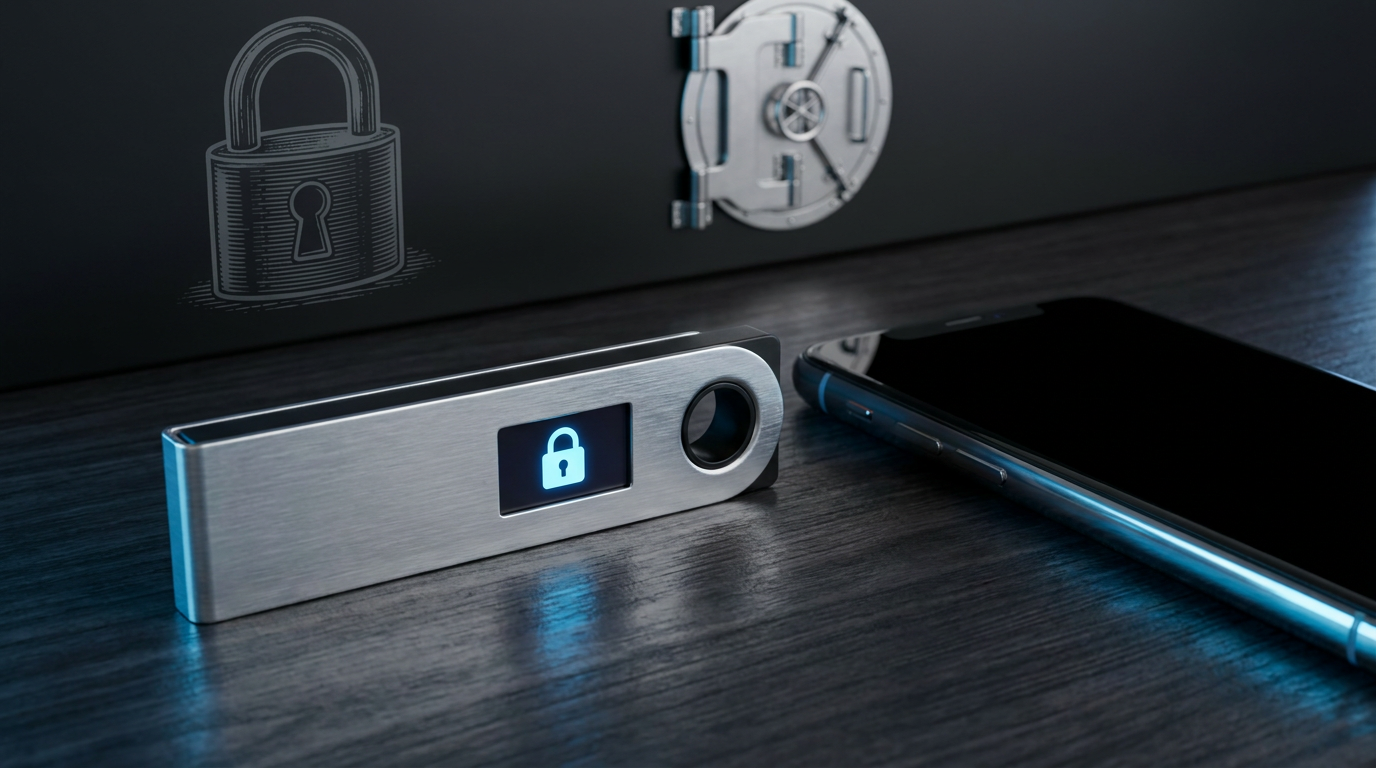
A cold wallet, usually a hardware device like a Ledger or Trezor, generates and stores your private keys on a chip that never touches the internet. Signing a transaction happens on the device itself, then gets broadcast through a connected computer.
A hot wallet, think MetaMask, Trust Wallet, or a coin’s mobile app, keeps keys on a device that’s always online. That constant connection is what makes it convenient. It’s also what makes it a bigger target.
Why Cold Storage Cuts Down Your Attack Surface
Because a cold wallet’s keys never sit on an internet-connected device, malware, phishing links, and remote exploits have nothing to grab. An attacker would need physical access to the device plus your PIN.
That’s a meaningfully harder bar to clear than tricking someone into signing a malicious transaction from a browser wallet. If you’re holding crypto for months or years rather than trading it, this gap matters more than convenience.
For a deeper breakdown of the specific risk factors involved, this comparison of cold storage versus hot wallets walks through the safety math in more detail.
Where a Hot Wallet Still Makes Sense
Hot wallets exist for a reason. If you’re swapping tokens, providing liquidity, or interacting with a dApp several times a week, pulling a hardware wallet out every time isn’t realistic.
Most active traders keep a small, working balance in a hot wallet and treat it like cash in a pocket rather than savings in a vault. Losing it would hurt, but it wouldn’t wipe you out.
How to Decide Which One Fits Your Crypto Habits
Ask yourself three things: how often do you move funds, how much are you holding, and how long do you plan to hold it. Frequent small transactions point to a hot wallet. Long-term holdings point to cold storage.
If you’re new to this decision entirely, this guide to picking a wallet as a beginner covers the setup basics before you commit to either option.
Whichever you choose, your recovery phrase matters more than the wallet brand. Understanding what a seed phrase actually protects is the step people skip and regret later.
Can You Run Both Wallet Types at Once
Most people who hold crypto seriously end up running both. A cold wallet holds the bulk of their position untouched for long stretches. A hot wallet handles day-to-day activity and never carries more than they’d accept losing.
This isn’t a compromise, it’s how custody actually works for anyone managing more than a token amount of risk.
Frequently Asked Questions
Is a cold wallet completely hack-proof?
No. It removes remote attack vectors, but physical theft, a compromised recovery phrase, or a poorly sourced device still create risk. No storage method is invulnerable.
Do I need to buy a hardware wallet to use cold storage?
A dedicated hardware device is the most common route, but some people use fully offline software wallets on a computer that never connects to the internet. Hardware devices are simpler to get right for most beginners.
Which one should a total beginner start with?
Start with a reputable hot wallet to learn how transactions work with a small amount, then move larger holdings to cold storage once you’re comfortable managing keys and backups.