Hot Wallet vs Cold Wallet: Which Should You Use for Bitcoin?
Keep the Bitcoin you are not spending in a cold wallet, and keep only your spending balance in a hot wallet.
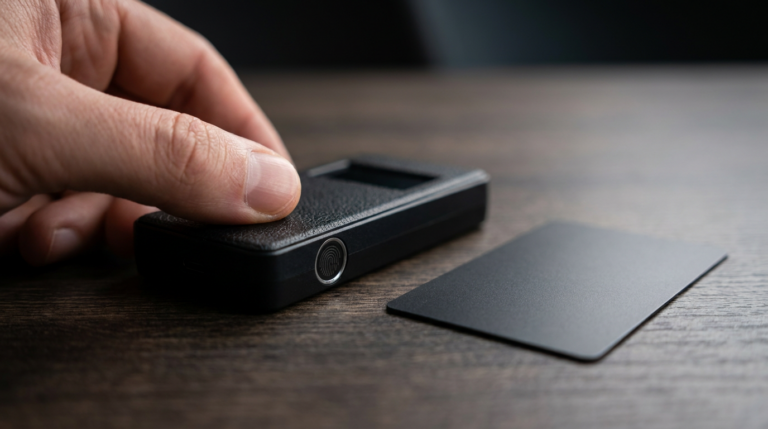
A hot wallet holds its keys on an internet-connected device. A cold wallet keeps the keys on hardware that never touches a network.
For Bitcoin the decision is less about which is safer and more about how often you actually move coins.
Why the Split Works Differently for Bitcoin
Bitcoin has no token approvals. There is no contract you signed six months ago that can drain a wallet later, which is a common way people lose funds on smart-contract chains.
So the threat to a Bitcoin hot wallet is narrower: malware on your phone or laptop, a fake wallet app, or someone finding your seed phrase in a screenshot or a cloud backup.
That narrower threat is also why plenty of long-term holders still run a hot wallet without much anxiety. They just keep very little in it.
How Much BTC Should Sit in a Hot Wallet
Use an amount you would be annoyed to lose but not damaged by. If losing the balance would change your year, it belongs in cold storage.
Bitcoin adds a second reason to keep the hot side small: on-chain fees. Every top-up from cold storage to a hot wallet is a transaction you pay for, and fees rise when the network is busy.
Moving coins out in one larger batch costs less than a dozen small withdrawals. That pushes most people toward topping up occasionally rather than sweeping funds back and forth.
The logic runs in reverse too. Many small deposits into a cold wallet create many small unspent outputs, and spending them later means a bigger transaction.
Lightning Wallets Are Hot by Design
If you use Bitcoin for actual payments, you are probably on the Lightning Network. Lightning needs keys that are online and available to sign, so a Lightning wallet is hot. There is no cold version of it.
Treat it the way you treat the cash in your pocket. Fund it from cold storage in a deliberate amount, spend it down, then top it up again.
This is where the middle ground people call a warm wallet tends to appear in practice, sitting between daily spending and deep storage.
Bitcoin-Only Devices and Multisig
Hardware wallets come in two shapes. Multi-coin devices support hundreds of assets. Bitcoin-only devices such as Coldcard or Blockstream Jade run firmware that handles nothing else.
Less code means fewer things that can go wrong, which is the whole argument for the Bitcoin-only option. You give up flexibility you may not need.
Bitcoin also supports multisig natively. A 2-of-3 setup spreads three keys across separate locations, so one stolen or lost key does not cost you the coins.
Multisig is harder to run. You back up more, and a botched recovery plan is its own risk, so it suits larger balances than a first wallet. The wallet security notes on bitcoin.org are a reasonable starting point before you commit to a setup.
Still weighing the two categories in general rather than for BTC alone? Our breakdown of which wallet type actually keeps crypto safer covers the trade-offs across every chain.
Can I use one hardware wallet for Bitcoin and other coins?
Yes, if it is a multi-coin device. You will manage separate accounts under one seed phrase, which means one backup protects everything and one mistake exposes everything.
Is an exchange account a hot wallet?
No. An exchange holds the keys, so you hold a claim rather than the coins. That is custody, and it carries a different risk: the platform itself.
Do I need a new wallet to move from hot to cold storage?
You need a new seed phrase generated on the cold device. Never import an existing hot-wallet seed into hardware, because that seed has already been exposed to an online machine.